How I Prepared for Retirement: 3 Steps to Build Retirement Confidence
Last year, I found myself asking an important question: Am I really ready for retirement?
I was excited but also unsure, like many women. Retirement means clear planning, financial understanding, and confidence for the future.
How do you prepare for retirement?
Preparing for retirement involves understanding your expenses, assessing your retirement income, and defining the lifestyle you want in your next chapter. These steps help build financial confidence and long-term security.
Retirement can feel exciting and overwhelming all at once. And for me it was not just about hitting the number but also my preparation to walk away from the workplace after 35 years of roles and responsibilities I have enjoyed.
For me, my confidence came from clarity, not guesswork. Here are the three steps I took that helped me move from uncertainty to confidence.
Step 1: Understanding Retirement Expenses and Building Guardrails
After my initial excitement died down, I had to really get clarity in calculating my expected monthly expenses. I recognized that without that constant paycheck with annual bonuses I needed to differentiate my needs versus wants.
I needed to develop a plan for higher spending years that could accommodate travel or lifestyle upgrades as well as lower spending years for later seasons in my life.
Creating guardrails for when my investments might be better and accommodating when the market might be lower and not providing decent returns.
Having this flexibility in my spending plan brought clearness to my opportunity as I recognized I was not being rigid in my budgeting.
This fluidity felt more real and allowed me to grow in my retirement confidence that I knew my numbers for my peak years and understood potential sacrifices for low years.
I genuinely believe that knowing my numbers gave me control and reduced my fears.
Step 2: Assessing Retirement Income and Financial Longevity
Through my research, I noticed widespread anxiety about money lasting throughout life.
As part of my retirement planning, I pulled together all my retirement income sources and defined those numbers with real data (not hopes, dreams or maybe).
I gathered my numbers from my retirement accounts, pension, brokerage accounts, and Social Security to fully understand my retirement income. This is where I learned about the Rule of 55 and how my 401k could assist me in bridging my money till claiming social security.
I also researched online long-term analysis and free resources for defining how long my money could and would last. It was beneficial for me to understand risks and returns on the variety of investments and how I could align my assets and lifestyle needs each year.
I used multiple tools to set withdrawal limits and check my analysis.
The key isn’t simply how much you possess; it’s about whether your resources can sustain you over time. And believe me, it was a rough exercise because I did not want to just envision having enough to reach the current life expectancy for women.
Instead, I thought of the best possible scenario of living an extra 10 years just in case my health remains good in my 90’s. These scenarios thoroughly tested my data and gave me confidence.
Step 3: Defining Your Retirement Lifestyle and Purpose
As part of my retirement planning, I tried to envision life beyond the numbers. Reflecting on what a fulfilling retirement could really look like. For me I pondered the following questions:
How will I spend my time? Naturally, I have received feedback from numerous individuals indicating that they are able to occupy their time effectively after leaving the workforce. But I did not want to wander my way into being busy. As a planner, I outlined key opportunities. So, I drafted the next chapter to become a life coach and explored how I could go about creating a new business.
What brings me joy and purpose? As I matured into my career, I realized that work and family brought me purpose and joy, and to step away from one of them I really worried about the change in direction. So having an opportunity to connect with others through my small business, seeing it grows while also networking and mentoring through my local chamber was inspiring. It also helped that my sister and I could engage in new adventures could really be a good balance to my retirement.
What impact do I want to have? I found that when I was working full time I was not focusing on giving back unless it took place during work hours. So having the chance to volunteer would bring me pleasure. To know that I could make strides in impacting my community was another new perspective I had not considered.
I realized this was going to be an emotional transition from an invigorating career to my next chapter.
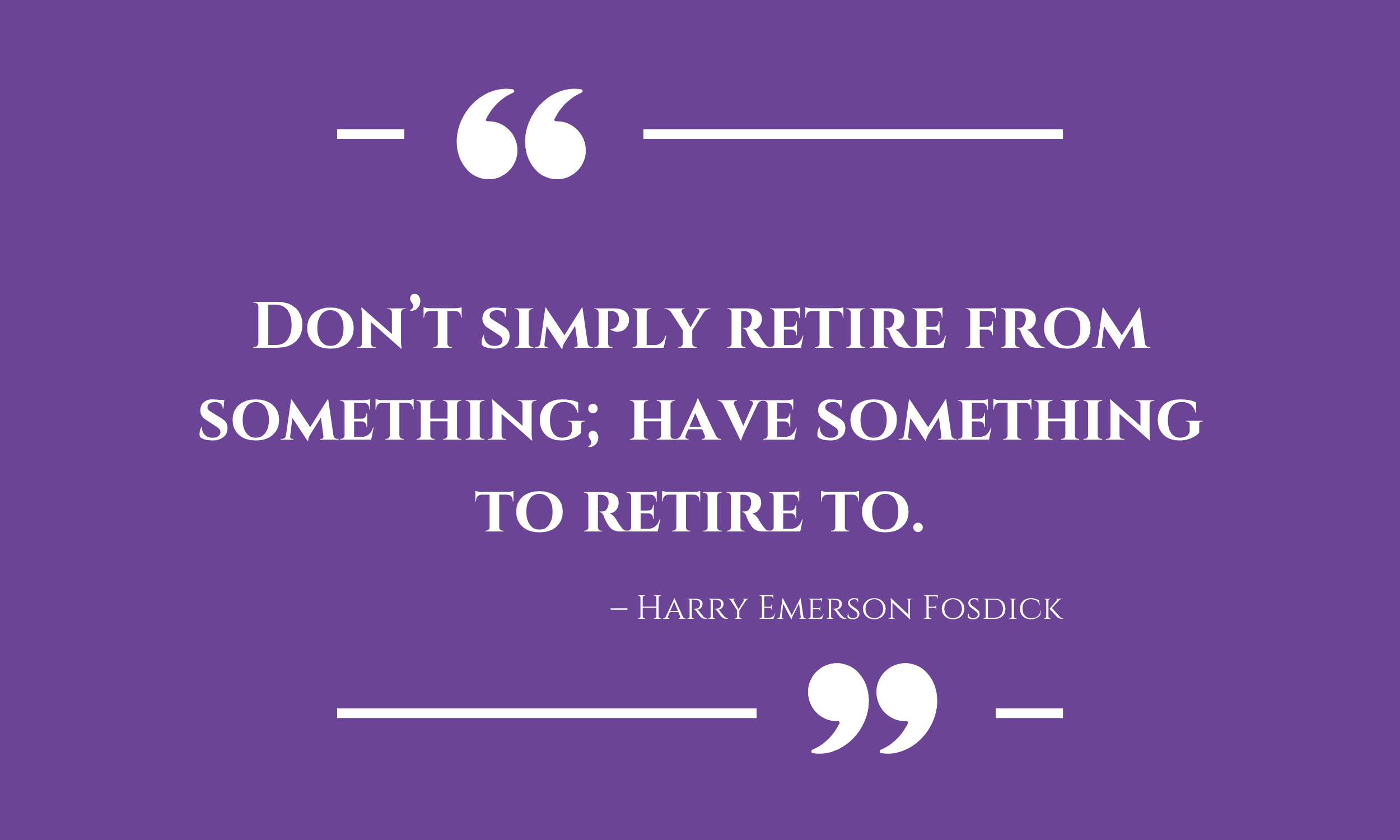
I did not want my retirement to be an ending but instead a redesign of my life.
What Retirement Confidence Really Means for Your Future
One lesson I have learned is that having confidence in something does not mean it will be perfect. Instead, as I prepared for my own retirement, I could be comfortable with being knowledgeable and flexible.
I understood my numbers, I had a plan, and I felt aligned with my lifestyle. But I had to know that my retirement would have difficulties, and that I could not be rigid in my retirement planning. Instead, I should consider the plan fluid, with allowances for adjustments or pivots.
Simple Retirement Planning Steps You Can Take Today
If you are considering retirement soon, below are actionable steps I recommend:
Review your monthly expenses. Get clarity on what you are spending today compared to what your finances will look like when you are no longer working. Will you boost your travel, downsize your home, or just plan to spend the same. These are all prominent figures to understand.
Estimate your retirement income sources. Get real with your data. Do not hope that Social Security will be “X” amount, instead create an SSA.gov account and know your monthly retirement income, and understand your options. Be realistic about your retirement plans and consider how much you are able to contribute. Find out whether you'll receive a pension, and if taking a lump sum is an option. Also, think about whether you might need a side job. Will you need a side hustle to help cover miscellaneous expenses?
Journal your vision for retirement. Do not skip this step, as it is pivotal to understanding where your mental health will be as you start your next chapter. Explore resources online to guide you through this exercise, connect with family and friends to have conversations about their own experiences. And dream small and big because you will have so much more time to devout initiatives when you retire.
Talk to a financial coach or advisor. If you are not sure about the money and longevity for your finances into retirement now is the time to get validation. Collaborating with an individual who can stress test your data to affirm your data could bring peace of mind to your decision process. A small investment with a coach or fee-based advisor could lessen your anxiety and be worth every penny.
I want everyone to remember that your retirement readiness is a journey. You may not get your answer in one weekend but instead take smaller steps over time to create clarity for your plan.
Most importantly remember that you do not have to figure this out alone. There are so many online resources to provide guidance, plus friends and family I am sure would be so excited to chat about their experiences.
If you're wondering whether you're truly ready for retirement, download my Before You Retire Checklist to guide your planning. This printable guides you through the retirement decision process and helps you understand not just if you can retire, but how to retire well.
And if you want personalized support, schedule your FREE 45-minute retirement clarity call and start building your retirement confidence today.
Retirement readiness is not about perfection—it is about building clarity, confidence, and a plan that supports your future.
If you have enjoyed this article, follow me on social media @lordfinancialcoaching.