The Science Behind Credit Card Spending: Why Friction Is Good for Your Finances
What if one of the best things you could do for your finances is make intentional spending just a little more inconvenient?
We spend so much time every day looking for ways to make life easier: Buy Now buttons, one-click checkout, Tap to pay, auto-fill payment information and the list goes on and on.
Yet every one of those conveniences mentioned above removes the pause that used to give you time to think about what you are buying.
Why Credit Cards Feel So Easy
Using credit cards creates what psychologists call “payment decoupling”.
The pleasure of buying happens today, and the pain of paying happens later.
Our brains naturally focus on the immediate rewards. There is an actual reward center in your brain called the nucleus accumbens. [Source: Columbia Zuckerman Institute]
This feeling of happiness comes from a spike of dopamine or the "feel-good" neurotransmitter, which originates in the ventral tegmental area (VTA) and is released into the reward pathway just by clicking buy now.
Behavioral economists have long observed that consumers tend to spend more when purchases feel less painful, a concept known as payment decoupling. [Source: Wikipedia]
The Four Reasons We Spend More
1️⃣ Convenience Removes Friction. Tap and you're done. There is no counting of money. No opening of your banking app to verify your balance or funds available.
2️⃣ Why Credit Cards Feel So Easy. You may not actually feel stress during the purchase, instead the suffering happens when the statement arrives.
3️⃣ Why Instant Gratification Is So Powerful. Amazon, Wal-Mart, DoorDash, Target Drive-up. They all offer delivery or pick-ups almost immediately. And our brains love these quick rewards or quick hits of satisfaction.
4️⃣ Are Credit Card Rewards Really Saving You Money? You feel earning miles or cash back means you are saving money when everything you buy goes on to a credit card because you are earning rewards for every dollar spent.
Studies have shown that consumers often spend more when using credit cards than cash because the payment feels less immediate. [Source: Nerd Wallet]
If you're buying things you wouldn't have purchased otherwise, earning 2% back may not actually save money at all.
Why Debit Cards Change the Equation
Using a debit card instead of a credit card isn't magical—but it can create more intentional spending habits.
But they are powerful because they introduce friction during the payment process and can improve your money habits.
You immediately feel the confirmation that you do have enough money to cover this purchase.
You immediately see money leaving your account.
You may ask yourself, do I actually have room in this month’s spending plan (i.e. the budget)?
It might cause a pause to affirm if you would rather spend money on this purchase today–or instead put it towards your money goals (i.e. retire early, save for a trip or add to your emergency fund).
Create Your Own Speed Bumps
I am not going to encourage you to cut up your credit cards.
So many individuals have heartburn about not having the safety net of credit. I totally get that.
Instead, I want to suggest creating some intentional friction in your process.
Some ideas to consider:
Use your debit card for everyday purchases
Switch over saved credit cards from websites
Delete Amazon’s one-click ordering
Leave items in your cart overnight
Remove your credit card from the Tap and pay
Follow a 48-hour Rule (which is reflecting for 2-days on items greater than $100)
Create a monthly spending plan before shopping [Example: Annual Spending Plan]
Ensure your budgeting is thorough and accounts for variable expenses
The Retirement Connection
I have talked with a few individuals who have shared they just can’t afford to save for retirement right now.
But they also have not sat down and started budgeting, nor are they ready to cut or trim back their lifestyle.
So let’s be clear–every unnecessary purchase you make is money that can’t grow for your retirement. Imagine investing just $150 each month instead of spending it on impulse purchases.
Over decades, those small monthly decisions could become tens or even hundreds of thousands of dollars through compound growth.
That is your retirement money.
So start connecting your spending today with what you want your money to do for you in the future.
This builds financial discipline and these future money habits that you adopt could really change your life down the road.
The more you can expand your personal finance habits, the greater your financial confidence.
Reflection & Conclusion
Sometimes the best financial decision is not about earning more miles or rewards.
Sometimes it is about mindful spending and creating enough pause to ask yourself: Does this purchase support the future I’m trying to build?
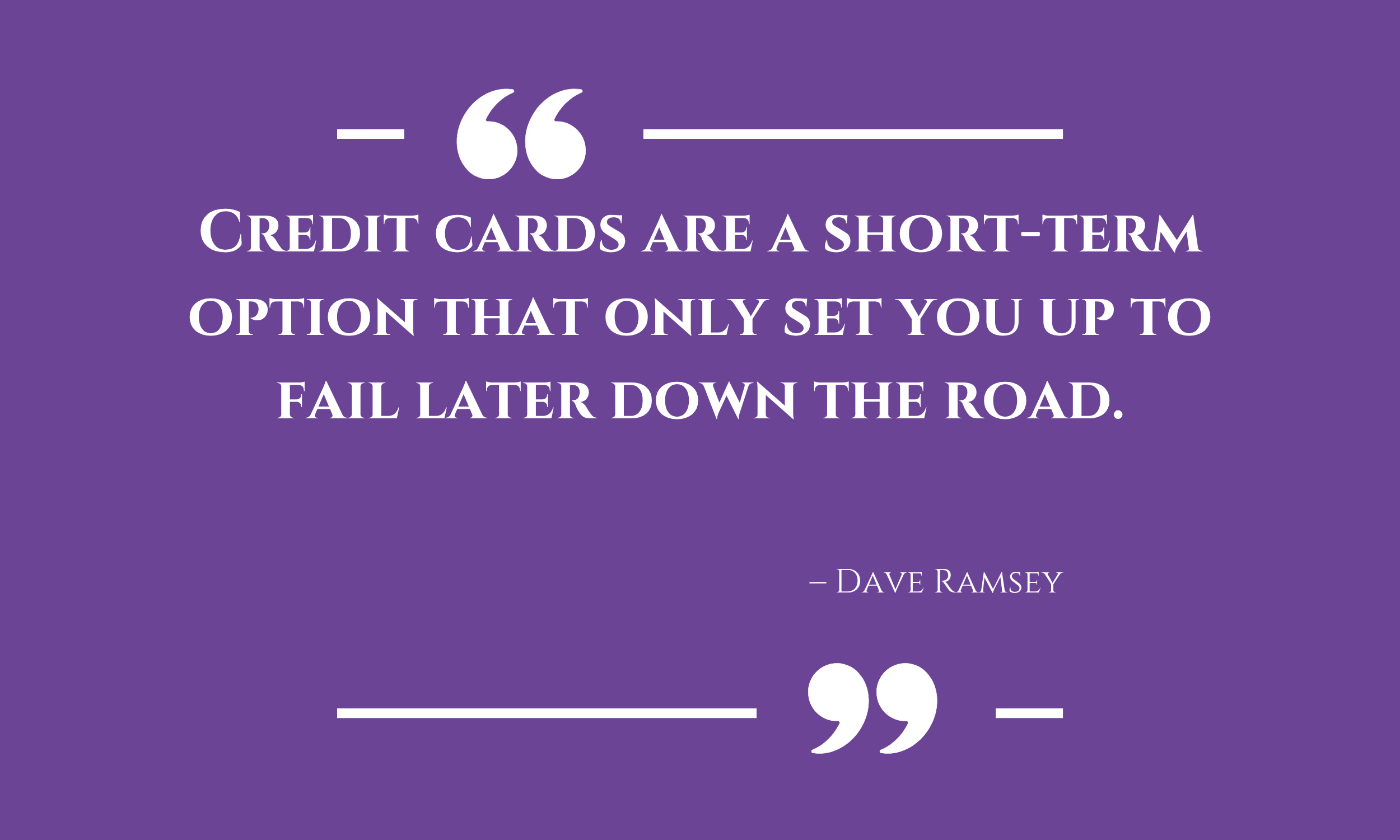
Using a credit card may seem like an easy option, but is it a good financial tool?
Only you can answer that question.
I encourage everyone to try creating one speed bump before your next purchase.
Maybe it’s waiting 48-hours, perhaps it’s using your debit card instead of your credit card or another idea is deleting your saved payment information.
You may notice that you think differently when spending becomes just a little less effortless.
Whether you choose to continue using credit cards or decide to rely more on debit cards, the goal isn't perfection—it's intentional spending. Small improvements in your money habits today can lead to greater financial freedom, stronger retirement savings, and more confidence in every financial decision you make.
If you're struggling to let go of your credit card spending woes, my A Mid-Year Money Reset: How to Let Go of Financial Regrets and Move Forward can help you review your regrets and refocus on your financial goals.
If you're ready to spend with more intention and build a retirement roadmap that reflects your values, I'd love to help. Schedule a FREE 45-minute retirement clarity call, and together we'll identify the financial habits that can move you closer to the future you're working toward.
If you have enjoyed this article, follow me on social media @lordfinancialcoaching.