Mid-Year Money Check-In: 5 Steps to Get Back on Track With Your Financial Goals
Not where you thought you'd be financially this year? Good news—you still have more than half the year remaining. Let’s jump in to explore some steps to get back on track with a mid-year money check-in.
What Is a Mid-Year Money Check-In?
A mid-year money check-in is a review of your financial goals, spending habits, savings progress, and financial priorities. It helps you identify what's working, where adjustments are needed, and how to finish the year strong.
Many people abandon their financial goals by June because they think they’re behind.
The truth?
You still have more than half the year remaining.
A mid-year money check-in is a great opportunity to restart; it isn’t about judgement–it’s about revisiting your awareness and adjusting.
Let’s talk about a few key areas that can help you finish the year stronger than you started.
Step 1: Review Your Annual Financial Goals
Look at the money goals you set in January. Ask yourself:
What goals did I define?
Which goals have I already achieved?
Which goals need more work and attention?
Did you have a goal to add more to your emergency fund or retirement contribution? Perhaps you wanted to pay off some debt? Did you want to take a trip so you intended to create vacation savings? Or maybe your home needs some attention and you wanted to set aside a bit for a home improvement fund.
Whatever your goals are, be honest on your financial progress. Celebrate your financial progress and past success before you begin focusing on what’s left to still be done.
Consider adding a mid-year money check-in and annual financial review to your financial planning process. This allows you to check-in on your spending habits for the whole year, not just monthly.
Step 2: Review Your Spending Habits and Budget
Now that you have discovered which goals still need some work, pull up your bank statements, your budgeting app or even your spending tracker.
Ask yourself:
Does my spending (or budgeting) for the last month or two reflect my priorities?
What surprised me when I looked backward?
Where am I overspending?
What categories need tweaks?
Your spending these last few months reveals your habits–not your intentions.
Step 3: Evaluate Your Savings Progress
Reviewing your budgeting and savings progress regularly helps ensure your financial goals remain realistic and achievable throughout the year.
Whether you do that monthly when you are planning next month’s budget or quarterly as you reflect on your wins and financial progress.
How is your emergency fund balance? Did it get depleted and need an infusion to rebuild back to a starter amount of $1,000 or that 3 to 6 months recommendation?
What do you think about your retirement contributions? Did you get a raise recently and consider bumping up your savings rate by a percentage or two? Check in on your progress and opportunities to add a little bit more.
Do you have sinking funds set aside? I am a big believer in sinking funds but maybe you aren’t familiar with that term? A sinking fund is simply a fund where you are periodically setting aside money for a future use. A sinking fund does not have to have its own dedicated account, instead for example you can have a savings account where you set aside money for a variety of uses.
Some examples for sinking funds include vacation, holiday spending, out of pocket medical dollars, birthday money, etc. Typically, I would set aside a certain amount of my bi-weekly paycheck to be automatically deposited into my savings account and from there I would allocate to the various categories either by percentage or specific dollar amounts.
As you reflect on your progress, are you feeling at peace? Do you feel ahead… or behind? It’s important to assess where you are and your happiness (or sadness) with the progress.
Remember, small increases now can create meaningful progress by year-end.
Step 4: Choose One Financial Course Correction
If you realized once reflecting you are not happy with your progress to date, guess what? You have time to make changes.
Let’s not try to change everything all at once as I expect that would just leave us disappointed later on. Instead let’s tackle one thing you want to change right now.
Some examples may include:
Increasing your retirement contribution by 1%
Reduce your monthly eating out amount or remove one dining out expense
Start a sinking fund and define your categories
Consider automating savings
One tiny change in June has the potential to create more success for the year than ten big changes.
Step 5: Reconnect With Your Financial Why
Often when I talk with my clients they tell me “I want to save 10% in my retirement.” But when I ask them “what is that important” they just share because isn’t that how much you’re supposed to save?
Understanding your financial "why" is often the difference between setting financial goals and actually achieving them.
If you don’t know what purpose that money will have in your life and financial prosperity, then when you get tired and busy you end up falling off track because those sacrifices don’t have meaning to you.
Remember why you set your goals. What are you really working toward? And what would your future self-benefit from these actions?
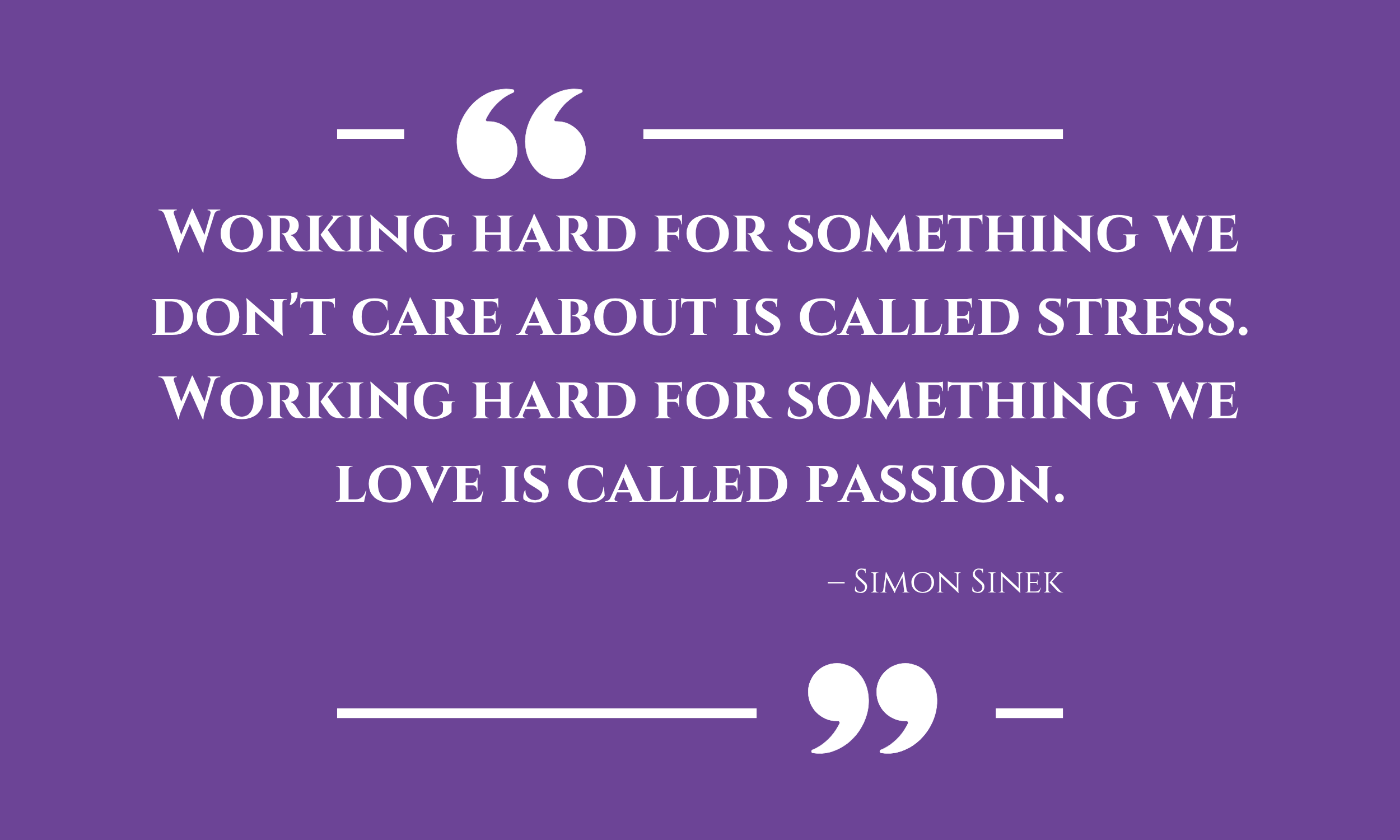
If you can’t get motivated with passion around the outcomes of these goals, then maybe they are just tasks and not truly meaningful for your money journey.
I think you will find your willpower and intentions when spending will have more awareness if you can find your “why”.
Mid-Year Reflection Questions
What are some reflection questions you can use to keep you motivated and inspired for the last half of the year:
1️⃣ What financial win am I most proud of?
2️⃣ What money habits have improved?
3️⃣ What challenge continues to hold me back?
4️⃣ What is one action I will take this month?
Mid-Year Money Check-In Checklist
☑ Review your annual financial goals
☑ Analyze recent spending habits
☑ Check savings and retirement contributions
☑ Identify one course correction
☑ Reconnect with your financial why
Next steps
Six months is enough time to make meaningful change in 2026. I encourage you to review your goals and develop some action steps to keep you motivated.
I offer a free SMART goals vision board printable where you can list a goal, you're working towards and what action steps you plan to take including your financial values.
Remember you are not behind; you still have opportunities to take action to make this year one of your best financial years yet. Progress matters more than perfection.
If you haven't already, revisit my blog on retirement confidence to see how long-term goals fit into your overall financial plan: How I Prepared for Retirement: 3 Steps to Build Retirement Confidence
If you’d like help reviewing your goals and building your own financial values, schedule your FREE 45-minute retirement clarity call and start building your mid-year money check-in today.
If you have enjoyed this article, follow me on social media @lordfinancialcoaching.